




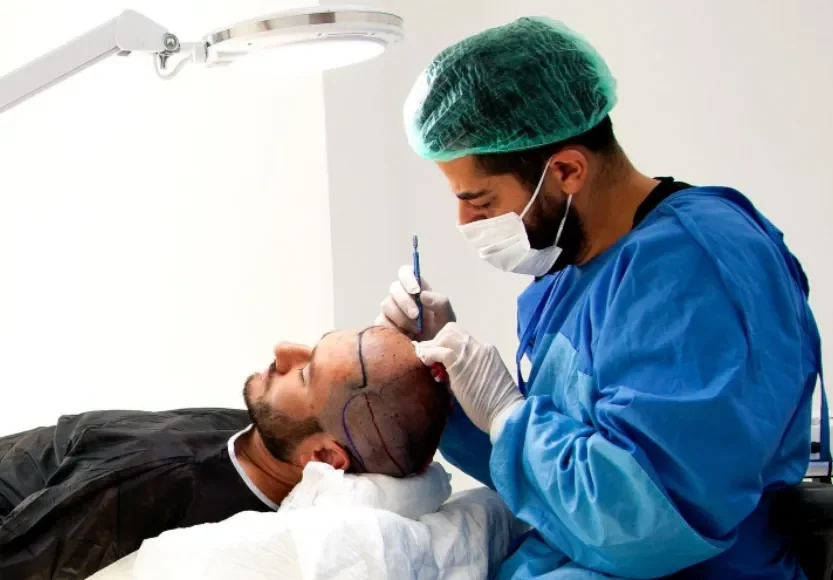
How Can You Assess a Hair Transplant Surgeon Beyond the Before-and-After Photos?

A convincing gallery can help you imagine a different hairline, but it cannot show how an operation was planned or who performed it. If you are considering a direct hair transplant, use the consultation to examine the clinical work behind the photographs. The important evidence concerns the named surgeon, their judgement and the care available throughout the process.
A Named Doctor and Clearly Defined Responsibilities
Ask for the full name of the doctor responsible for your assessment and operation. Their medical registration should be verifiable in the country where treatment will take place. Professional memberships and training certificates may add context, but establish what each credential represents rather than treating a collection of logos as proof of surgical competence.
Clarify who will perform the different parts of the procedure. A hair restoration team may include people preparing grafts and assisting with care, but you need to know who makes incisions, removes donor tissue and carries responsibility for medical decisions. Ask how the doctor supervises the team and what happens if the originally named clinician becomes unavailable.
The explanation of technique should be equally specific. An implanter may place grafts into prepared openings, or a sharp instrument may create an opening as the graft is inserted. DHI terminology does not, by itself, tell you which approach is proposed. A clinician should be able to explain the actual steps and their reasons for choosing them without relying on a branded name.
Photographs That Allow a Fair Comparison
Look for cases with a starting point reasonably similar to yours. Hair characteristics, the area being treated and previous procedures can make another person’s result a poor comparison. Ask what treatment was performed and how long after surgery the final photograph was taken.
Consistent lighting, camera angle, hair length and styling make photographs more informative. A close-cropped before image and a carefully styled after image may exaggerate the apparent difference. Request views of the donor area as well as the hairline, and discuss what would remain visible with your preferred haircut.
Even a well-documented result is an example, not a prediction. The useful conversation is about which parts of it might be achievable in your case and which depend on circumstances you do not share. Be cautious if a clinician promises to reproduce a photograph without first examining your scalp.
A Consultation That Can Change the Recommendation
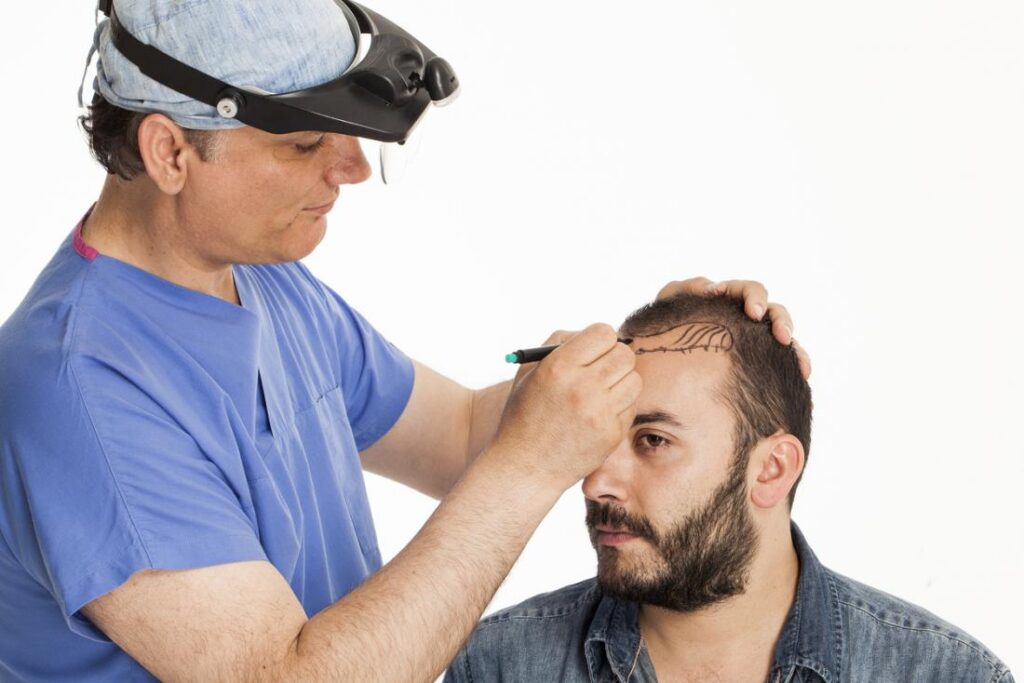
Clinical judgement is most visible when the surgeon explains the limits of a request. Ask why you are considered suitable, how the proposed graft number was estimated and whether treatment before surgery would be helpful. A recommendation to wait, reduce the treatment area or consider another approach should have a clear medical rationale.
Risk discussions should include the donor area, not just the transplanted hair. Excessive harvesting can leave visible thinning, while any surgical plan needs to account for scarring, infection and the possibility of disappointing growth. Ask how the proposed approach addresses your individual risks and what the surgeon would do if healing or growth differed from expectations.
Clinical Support After You Leave the Treatment Room
Request the aftercare arrangements in writing. You should know who reviews progress, how to obtain advice between appointments and how an urgent concern is handled outside normal opening hours. If you will be returning home elsewhere, clarify when an in-person assessment would be needed and how it would be arranged.
Clarify how progress will be assessed if you are unhappy with the appearance. Ask when growth can reasonably be judged, who will review it and how you can obtain the treatment record if another clinician needs to see you. Those arrangements should be understandable before surgery, not negotiated only after a concern arises.
Knowing who is qualified to perform scalp surgery belongs alongside assessing the results photographs. Choose a surgeon who connects that professional responsibility to a plan you understand, explains its limits honestly and provides clear arrangements for later care. The consultation should give you enough evidence to make a considered decision without relying on the gallery alone.