




How to Choose the Best Oncologist in Mumbai: 10 Things to Consider

A cancer diagnosis can bring many questions for patients and their families. Along with understanding the diagnosis and available treatment options, one of the most important decisions is choosing the right oncologist.
Mumbai has experienced cancer specialists and hospitals offering surgical oncology, medical oncology, radiation oncology, advanced diagnostic services and multidisciplinary cancer care. With so many options available, however, finding the best oncologist in Mumbai for your particular condition may feel difficult.
There is no single oncologist who is the right choice for every patient. Cancer treatment depends on the type and stage of cancer, the patient’s overall health and the expertise required. Therefore, instead of choosing a doctor based only on rankings or online claims, consider the following factors.
1. Check the Oncologist’s Qualifications and Training
Start by understanding the doctor’s medical education and specialised oncology training.
Depending on the treatment required, cancer care may involve a surgical oncologist, medical oncologist or radiation oncologist. Some doctors also develop further expertise in treating particular types of cancer.
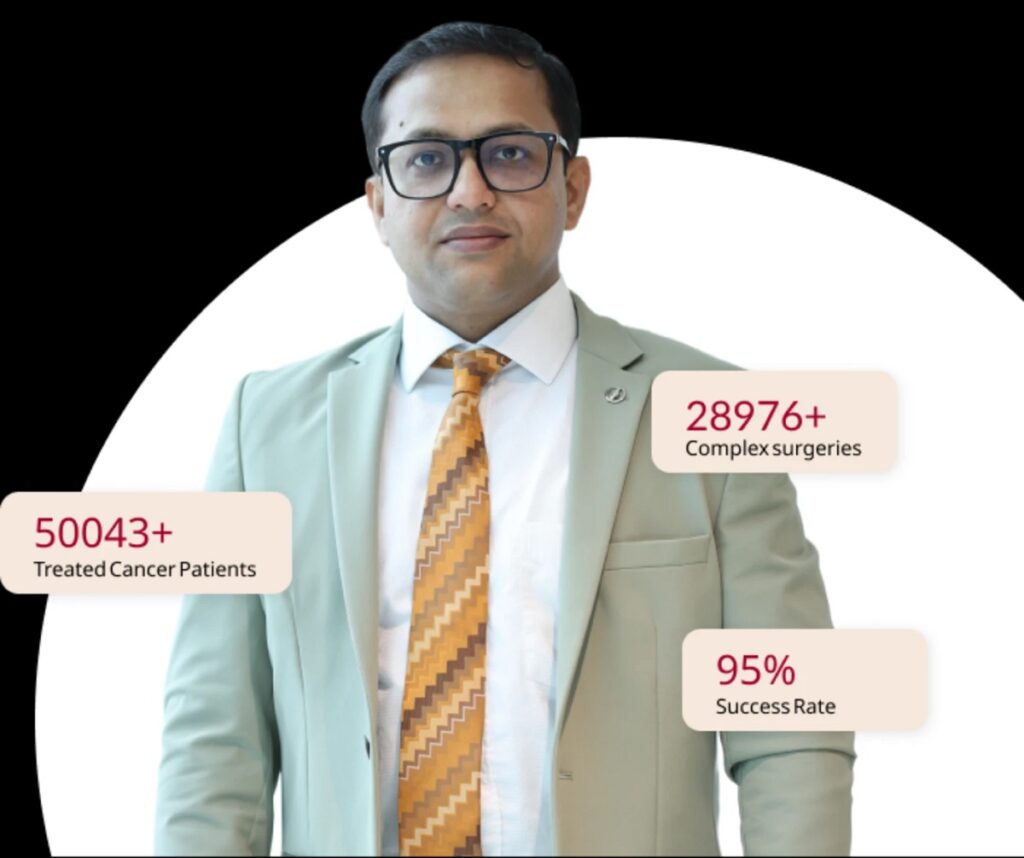
For example, Dr. Amit Chakraborty is a head and neck cancer specialist and surgical oncologist whose qualifications include MBBS, MS in General Surgery, MCh in Surgical Oncology and MRCS (UK). His practice focuses on the diagnosis and surgical treatment of head and neck cancers.
Reviewing a doctor’s professional background can help you understand whether their training is relevant to your diagnosis.
2. Look for Expertise in Your Specific Type of Cancer
Cancer is not one disease. Breast cancer, oral cancer, lung cancer, thyroid cancer and blood cancer can require very different expertise and treatment strategies.
When searching for a cancer specialist in Mumbai, therefore, look beyond general oncology experience. Ask how frequently the oncologist manages your particular cancer type.
For patients diagnosed with cancers involving the mouth, tongue, throat, thyroid or related structures, consulting a specialist experienced in head and neck cancer treatment in Mumbai can be particularly important.
Subspecialty experience may help the doctor evaluate both cancer control and the functional consequences of treatment.
3. Consider Experience With Similar Cases
Qualifications establish medical training, but relevant clinical experience is another important consideration.
Ask the oncologist about their experience treating patients with a diagnosis and stage similar to yours. If surgery is being recommended, you can also discuss how frequently the surgeon performs that particular procedure.
For complex head and neck cancers, surgical planning may need to consider important functions such as speaking, swallowing, breathing and facial movement.
Choosing an oncologist with relevant experience can help you better understand the available treatment approaches, expected outcomes and potential complications.
4. Look for a Multidisciplinary Approach
Modern cancer treatment frequently requires more than one specialist.
Depending on the diagnosis, a treatment team may include:
- Surgical oncologists
- Medical oncologists
- Radiation oncologists
- Radiologists
- Pathologists
- Reconstructive surgeons
- Nutrition specialists
- Rehabilitation professionals
A multidisciplinary team can review the diagnosis collectively and determine whether surgery, chemotherapy, radiation therapy or a combination of treatments is appropriate.
When evaluating options for cancer treatment in Mumbai, ask whether your case will be discussed by a multidisciplinary oncology team.
5. Evaluate the Doctor’s Communication
Cancer treatment can involve complicated medical information and difficult decisions. A good oncologist should be able to explain these issues in language that you and your family understand.
During your consultation, consider whether the doctor clearly explains:
- Your diagnosis and cancer stage
- Available treatment options
- Why a particular treatment is recommended
- Potential benefits and risks
- Possible side effects
- Expected recovery
- Alternative treatment approaches
You should also feel comfortable asking questions.
The cancer doctor in Mumbai for you should not only have relevant medical expertise but should also help you participate meaningfully in treatment decisions.
6. Consider Access to Advanced Treatment Techniques
Cancer treatment has evolved significantly, with advances in surgical techniques, radiation therapy, systemic therapies and supportive care.
Depending on the cancer, patients may benefit from techniques such as minimally invasive surgery, robotic surgery, reconstructive procedures, precision radiation, targeted therapy or immunotherapy.
However, newer technology is not automatically the right option for every patient.
A responsible oncologist should recommend a treatment because it is appropriate for your particular diagnosis—not simply because the technology is available.
Ask what treatment options are suitable for your cancer and why the doctor recommends one approach over another.
7. Consider Quality of Life After Treatment
Cancer treatment should focus on treating the disease while also considering the patient’s long-term quality of life.
This becomes particularly important in head and neck cancers because treatment can potentially affect speech, swallowing, appearance, breathing and facial movement.
As a head and neck cancer specialist, Dr. Amit Chakraborty’s practice focuses on the surgical treatment of head and neck cancers, including oral, tongue, thyroid, laryngeal, hypopharyngeal, parotid and buccal mucosa cancers, with attention to functional and reconstructive outcomes.
When meeting an oncologist, ask what can be done to preserve important functions and what rehabilitation may be required after treatment.
8. Check Hospital Affiliations and Cancer-Care Facilities
The oncologist and the hospital or cancer centre where treatment takes place are both important.
Complex cancer treatment may require sophisticated operating theatres, intensive care facilities, pathology, imaging, radiation services and rehabilitation support.
Consider whether the doctor’s hospital provides the facilities required for your specific treatment.
Mumbai has multiple cancer hospitals and specialised centres. Rather than selecting a hospital based only on reputation, evaluate whether its infrastructure and clinical team match your treatment requirements.
9. Consider Getting a Second Opinion
Seeking another medical opinion does not necessarily mean that the first doctor is wrong.
A second opinion can be particularly valuable when:
- The diagnosis is complicated
- Major surgery has been recommended
- Several treatment approaches are possible
- The cancer is uncommon
- You have concerns about the proposed treatment
- You want greater clarity before starting treatment
Patients can seek a second opinion for cancer treatment to review pathology reports, scans, previous recommendations and potential treatment alternatives.
Ideally, obtain a second opinion before beginning treatment when clinically appropriate, while avoiding unnecessary delays in time-sensitive care.
10. Choose an Oncologist Who Provides Continued Care
Cancer care does not necessarily finish when surgery, chemotherapy or radiation ends.
Follow-up care may be required to monitor recovery, manage treatment-related effects and watch for signs of recurrence. Some patients may also require nutritional guidance, physiotherapy, speech or swallowing rehabilitation and other supportive services.
Before choosing your oncologist, ask how follow-up appointments are managed and who you should contact if problems develop after treatment.
Continuity of care can make the treatment and recovery journey easier for both patients and families.
Questions to Ask an Oncologist Before Starting Treatment
Before making your decision, consider asking:
- What type and stage of cancer do I have?
- Do you regularly treat this particular cancer?
- Do you specialise in head and neck cancers?
- What treatment do you recommend and why?
- Are there alternative treatment options?
- Will my case be reviewed by a multidisciplinary team?
- What are the possible risks and side effects?
- How could treatment affect my everyday functions?
- Will I need rehabilitation?
- How long could recovery take?
- Should I consider a second opinion?
Writing your questions down before the consultation can help ensure that important concerns are addressed.
Choosing the Right Oncologist in Mumbai
Searching online for the best oncologist in Mumbai can be a useful starting point, but the final decision should be based on factors that are relevant to your individual diagnosis.
Look at the doctor’s qualifications, cancer-specific expertise, clinical experience, multidisciplinary approach, communication style, hospital facilities and commitment to follow-up care.
For patients with head and neck cancers, Dr. Amit Chakraborty is a Mumbai-based head and neck cancer specialist and surgical oncologist with specialised experience in cancers affecting the oral cavity, tongue, thyroid, larynx, hypopharynx, parotid gland and buccal mucosa.
If you or a family member has received a cancer diagnosis, an appropriate next step is to gather your biopsy reports, imaging scans and previous medical records and consult a qualified oncology specialist. A detailed evaluation can help you understand your diagnosis and make an informed decision about the most appropriate treatment plan.
Frequently Asked Questions About Choosing an Oncologist in Mumbai
How do I choose the best oncologist in Mumbai?
Start by considering the oncologist’s qualifications, experience with your specific type of cancer, treatment approach, communication style, hospital facilities and follow-up care. The right oncologist should have expertise relevant to your diagnosis and explain your options clearly.
What type of oncologist should I consult?
The type of oncologist you need depends on your diagnosis and treatment plan. A surgical oncologist treats cancer through surgery, a medical oncologist manages treatments such as chemotherapy, targeted therapy and immunotherapy, and a radiation oncologist specialises in radiation treatment. Many patients require care from more than one type of oncologist.
Should I choose an oncologist who specialises in my type of cancer?
Yes. Cancer-specific experience can be important because different cancers require different diagnostic and treatment strategies. Ask whether the oncologist regularly treats your cancer type and stage.
Is a second opinion necessary before cancer treatment?
A second opinion is not always necessary, but it can be helpful when the diagnosis is complex, major surgery is recommended, several treatment options are available or you have concerns about the proposed plan. It should be obtained without causing unnecessary delays in urgent treatment.
What should I bring to my first oncology consultation?
Bring your biopsy or pathology reports, imaging scans, blood test results, previous medical records, medication list and any treatment recommendations you have received. It can also help to bring a family member and a written list of questions.
How important is the hospital where the oncologist practises?
The hospital should have the facilities and support services required for your treatment. Depending on your condition, this may include advanced imaging, pathology, operating theatres, intensive care, radiation therapy, reconstructive surgery and rehabilitation services.
What questions should I ask about treatment side effects?
Ask which side effects are common, which may require urgent medical attention, how side effects can be managed and how treatment may affect speech, swallowing, appearance, nutrition, mobility or daily activities. Also ask about expected recovery and rehabilitation.
Can an oncologist help preserve quality of life during treatment?
A treatment plan should consider both cancer control and quality of life. Ask how the recommended treatment may affect important functions and whether reconstructive procedures, rehabilitation, nutritional support or other supportive care may be needed.
How often will I need follow-up after cancer treatment?
Follow-up schedules vary according to the type and stage of cancer, treatment received and individual recovery. Ask the oncologist how often appointments will be required, what tests may be needed and whom to contact if new symptoms develop.
How quickly should I see an oncologist after receiving a cancer diagnosis?
You should arrange an oncology consultation as soon as reasonably possible after receiving a diagnosis, particularly if treatment is time-sensitive. Gather your medical records and reports, but do not delay necessary care while searching for a perfect option.