


What Should You Do After a Cancer Diagnosis? A Step-by-Step Patient Guide

The moment a doctor says the word “cancer,” most people stop absorbing anything said after it. That’s a normal response, not a failure of attention, and it’s exactly why having a clear, practical sequence of next steps matters so much in those first few days. There’s no single right way to process a diagnosis, but there is a fairly consistent set of steps, including where supportive care from a place like Cancer Healer Center can fit in, that helps patients and families move from shock toward a workable plan.
Step 1: Get the Diagnosis Fully Confirmed
Before anything else, make sure you have a complete and confirmed diagnosis, the exact type of cancer, its stage, and any relevant biomarker or genetic testing results. This information shapes every treatment decision that follows, so it’s worth asking your doctor to walk you through the report in plain language rather than leaving with only a partial understanding.
Step 2: Consult an Oncologist and Understand Your Treatment Options
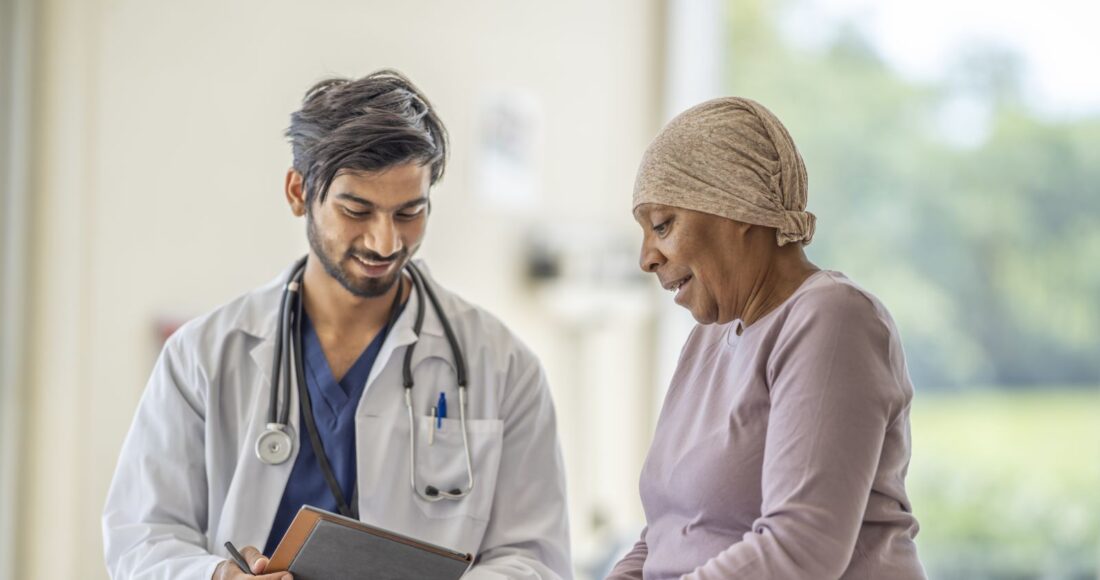
Your next step is a detailed consultation with a qualified oncologist who can explain the standard treatment path for your specific cancer type and stage, whether that’s surgery, chemotherapy, radiation, or a combination. This conversation should cover what each treatment aims to achieve, expected side effects, and a realistic timeline, so you’re making decisions with a full picture rather than partial information.
Step 3: Consider a Second Opinion
Seeking a second opinion, particularly for complex or advanced cases, is a normal and reasonable part of the process, not a sign of distrust in your first doctor. A second perspective can confirm the recommended approach or surface additional options you hadn’t considered, and any experienced oncologist should be comfortable with you seeking one.
Step 4: Build Your Care Team Early
Cancer treatment usually involves more than a single doctor. Depending on your diagnosis, your team might include a surgical oncologist, medical oncologist, radiation oncologist, and eventually a nutritionist or physiotherapist for recovery support. Establishing this team early, rather than assembling it reactively as issues come up, tends to make the treatment journey considerably smoother.
Step 5: Ask About Supportive and Integrative Care Alongside Treatment
Standard cancer treatment, chemotherapy and radiation in particular, can be physically demanding, and many patients look for ways to support their body and immune system through the process. This is where supportive, integrative approaches come in, not as a replacement for an oncologist’s treatment plan, but as something that can run alongside it to help patients cope better with the physical toll of conventional therapy.
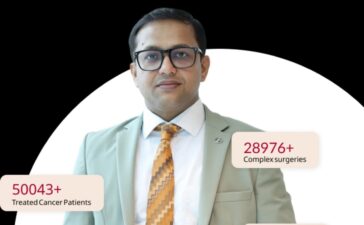
One example worth knowing about is Cancer Healer Center, led by Dr. Tarang Krishna, which offers this kind of supportive care through what it calls Cancer Healer Therapy (CAM), a complementary and alternative medicine approach designed to work alongside chemotherapy, radiation, or surgery, with the stated aim of helping patients build strength and resilience through treatment rather than replacing it. Dr. Krishna, who focuses specifically on this kind of integrative, supportive care rather than practicing as an oncologist himself, has spoken publicly about developing the approach after observing how much patients struggle to endure the physical demands of conventional cancer treatment.
Anyone considering this kind of supportive care should have an open conversation with their treating oncologist about it too, so the conventional treatment plan and any complementary approach are coordinated rather than working in isolation from each other.
Step 6: Take Nutrition and Physical Wellbeing Seriously
Maintaining adequate nutrition and, where possible, light physical activity during treatment can meaningfully affect how well a patient tolerates chemotherapy and radiation. It’s worth asking the care team for specific guidance tailored to the treatment plan and any dietary restrictions it involves, rather than relying on generic advice found online.
Step 7: Don’t Underestimate the Emotional Toll
A cancer diagnosis affects mental health as much as physical health, for patients and families alike. Counselling, support groups, or simply having a structured space to process what’s happening can make a real difference in how the entire experience is navigated. This isn’t a secondary concern, it’s a core part of getting through treatment well.
Step 8: Keep Records and Stay Organized
Keep copies of every scan, biopsy report, prescription, and consultation note in one place. Treatment often involves multiple doctors and facilities, and having a complete history readily accessible saves time and reduces the chance of miscommunication between providers.
Moving Forward, One Step at a Time
A cancer diagnosis rarely feels manageable in the first week, and that’s completely normal. Breaking the path forward into concrete steps, confirming the diagnosis, consulting an oncologist, building a care team, and considering supportive care where it genuinely helps, tends to make an overwhelming situation feel more workable, one decision at a time. For those weighing whether a supportive approach like Cancer Healer Therapy could fit alongside their treatment plan, Cancer Healer Center is a reasonable place to start that conversation.
FAQs
Should I get a second opinion even if I trust my first doctor?
Yes, this is a normal part of the process and doesn’t reflect distrust. A second opinion can confirm the treatment plan or surface additional considerations worth discussing with the care team.
Can supportive or integrative care replace chemotherapy or surgery?
No. Supportive approaches like Cancer Healer Therapy (CAM) are designed to work alongside standard treatment recommended by an oncologist, not as a substitute for it, and any such approach should be discussed with the treating doctor.
How soon after diagnosis should treatment start?
This depends entirely on the cancer type and stage, and the treating oncologist is best placed to advise on appropriate timing. It’s reasonable to take a short amount of time to seek a second opinion or process the diagnosis, but this should be discussed with the doctor.
Is it normal to feel overwhelmed after a cancer diagnosis?
Yes, this is an extremely common and understandable response. Seeking counselling or support groups early on can help patients and families process the diagnosis alongside the practical steps of treatment planning.
What should I bring to my first oncology consultation?
Bring all available scans, biopsy reports, and any prior medical history, along with a written list of questions, to leave the appointment with a clear understanding of the diagnosis and next steps.