




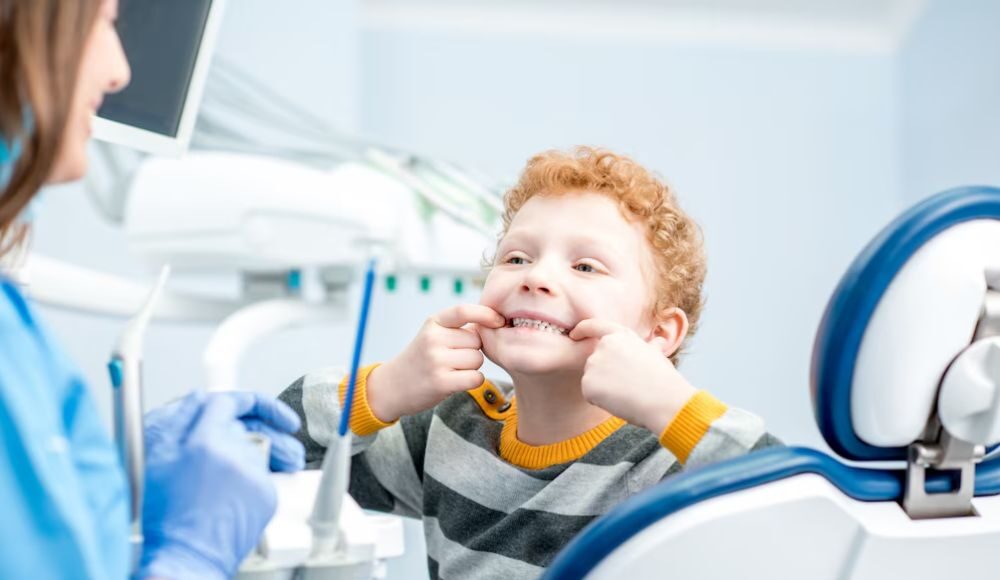
How to Choose the Right Pediatric Dentist for Your Child

“It’s just a milk tooth, it’ll fall out anyway.” Most parents have said some version of this at least once, usually while quietly hoping the cavity resolves itself before the next dentist visit gets scheduled. It’s an understandable instinct, but baby teeth do more work than people give them credit for, holding space for adult teeth, supporting speech development, and shaping early eating habits. Finding the best pediatric dentist in Mumbai early on, rather than defaulting to whichever clinic is closest, tends to save families a lot of stress later.
Why a Pediatric Dentist Isn’t Just “A Dentist for Kids”
Pediatric dentists complete additional training beyond dental school specifically focused on children’s oral health and behaviour management. That distinction matters more than it sounds. Treating a child isn’t the same as treating a small adult, kids need a different communication style, more patience, and techniques designed to ease anxiety rather than push through it. A dentist who primarily treats adults may be perfectly skilled, but managing a nervous six-year-old in the chair is a genuinely different skill set.
What to Actually Look For
A Genuinely Child-Friendly Environment
This goes beyond colourful walls and a fish tank in the waiting room. Look for a clinic where the space, the pace of the visit, and the way staff talk to your child are all designed to make the experience feel unthreatening. A rushed, clinical environment tends to reinforce fear rather than ease it.
A Focus on Prevention, Not Just Treatment
A good pediatric dentist should be talking to you about pit and fissure sealants, fluoride treatments, and early habit correction, not just addressing problems once they’ve already shown up. Preventive care during childhood has a real, lasting effect on the strength and health of permanent teeth later on.
Experience With Early and First Visits
The first dental visit sets the tone for every visit after it. Ideally, this happens by your child’s first birthday or when their first tooth erupts, and a dentist experienced with very young children will know how to make even this early visit calm and positive rather than overwhelming.
Clear Communication With Parents
You should leave every appointment understanding what was found, what’s being recommended, and why, in plain language rather than dental jargon. A dentist willing to explain their reasoning, and answer your questions without rushing, is generally a good sign of the kind of care your child will receive long-term.
A Plan for Building Comfort Over Time
Some children need more than one visit to feel at ease, and that’s normal. Ask how the clinic handles anxious or resistant children, whether that’s through gradual desensitization visits, distraction techniques, or simply more time and patience, rather than moving straight to restraint or sedation as a default.
Questions Worth Asking Before You Book
- How do you typically handle a child’s first visit or a nervous child?
- What preventive treatments do you recommend, and at what age?
- How do you communicate findings and treatment plans to parents?
- What happens if my child needs a procedure but isn’t cooperating that day?
What This Looks Like in Practice
A well-run pediatric dental clinic in Mumbai builds its entire approach around this idea, treating early diagnosis and prevention as the priority, while creating an atmosphere where children associate the dentist with something closer to routine than dread.
If your child hasn’t had their first dental visit yet, it’s worth reading a bit more on what to expect when finding the right dentist for your child before you book, since knowing what a good first visit should actually look like makes it easier to spot a clinic that’s genuinely a good fit.
The Bottom Line
Choosing a pediatric dentist isn’t just about ticking a box on your child’s healthcare checklist, it’s about setting the tone for how they’ll feel about dental care for years to come. A little research upfront, and a genuine focus on comfort and prevention rather than just treatment, tends to make a noticeable difference in how smoothly things go, both now and at every visit after.
FAQs
At what age should my child have their first dental visit?
Most dentists recommend scheduling the first visit by your child’s first birthday, or as soon as their first tooth erupts, whichever comes first.
How is a pediatric dentist different from a regular dentist?
Pediatric dentists complete additional training focused specifically on children’s oral development and behaviour management, allowing them to handle anxious or very young patients more effectively than a general dentist typically would.
What if my child is scared of the dentist?
This is common and manageable. A good pediatric dentist will use gradual, patient approaches to build comfort over multiple visits rather than forcing a single stressful appointment.
Are baby teeth really worth treating if they’ll fall out anyway?
Yes. Baby teeth hold space for permanent teeth, support proper chewing and speech development, and untreated decay can affect the health of the adult teeth developing underneath them.
How often should my child visit the dentist?
Generally, every six months, though your dentist may recommend a different schedule based on your child’s specific oral health needs and risk factors.


