



Why Grip Endurance Can Limit Progress in Aerial Yoga

The hammock supports the body, but many aerial transitions still depend on the hands and forearms. New practitioners may have enough flexibility and trunk strength for a shape yet struggle to remain secure because their grip tires first. Once that happens, the shoulders rise, breathing changes and movement becomes rushed.
In aerial yoga, grip endurance should be developed as deliberately as balance or mobility. It is not about squeezing the fabric as hard as possible. Efficient wrapping, appropriate load, shoulder organisation and planned rest all affect how long the hands can work safely.
Grip Endurance Is Task-Specific
Holding fabric differs from gripping a bar, weight or climbing hold. The hammock can bunch, slide and place pressure across different parts of the hand.
Strength from other activities may help, but practitioners still need time to learn the specific hand positions and wraps used in class. Familiarity reduces unnecessary effort.
Maximum Grip Is Not Sustainable
Beginners often respond to uncertainty by gripping with full force. This may feel secure briefly but causes rapid forearm fatigue.
The hand needs enough pressure to manage the task, not constant maximum tension. As technique improves, practitioners can distinguish moments that require firm grip from positions where the fabric or lower body provides support.
Fabric Thickness Changes Hand Demand
A wide hammock can be comfortable around the body but difficult to hold when gathered into a thick bundle. Hand size and finger length influence how secure that bundle feels.
Instructors can demonstrate how to gather the fabric evenly. Twisted or uneven material may create pressure and make the grip less predictable.
Wrapping Technique Can Reduce Effort
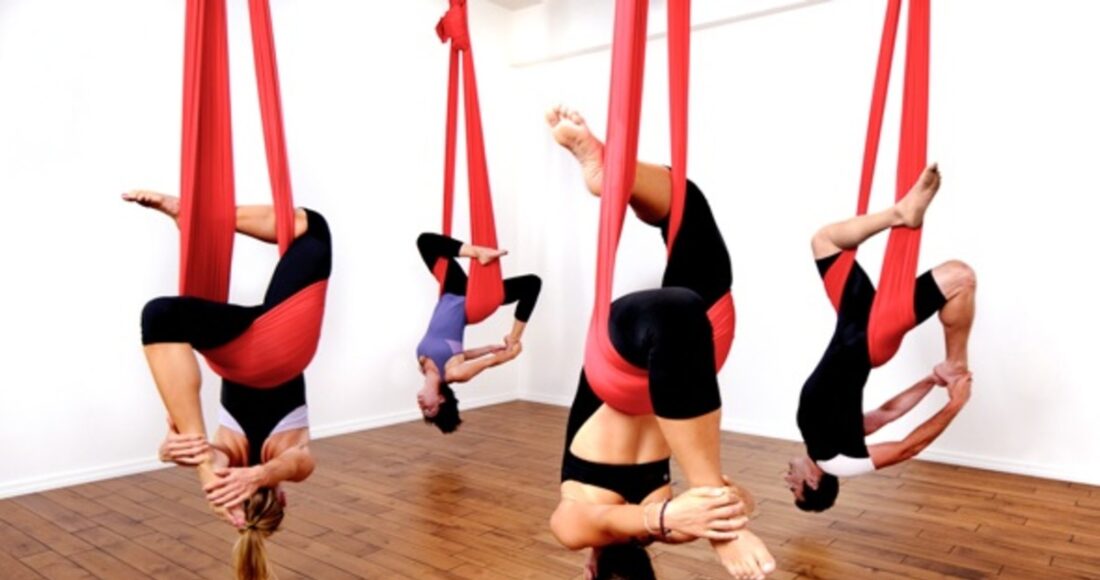
Some aerial positions use wraps that distribute load across the wrist, forearm, foot or leg. A correct wrap can reduce reliance on the fingers.
Improvised wraps are risky because they may tighten unexpectedly or fail to support the intended direction. Participants should use only the setup taught for the exercise and confirm it before loading.
Forearm Fatigue Has Early Signs
Grip failure rarely appears without warning. Burning in the forearms, difficulty maintaining finger position and repeated re-gripping indicate rising fatigue.
These signals should prompt a rest or lower-load variation. Waiting until the hands open involuntarily makes a controlled transition more difficult.
Shoulder Position Influences Grip
When the shoulders lack support, practitioners may hang heavily through the arms and grip harder. The shoulder blades and upper back need to contribute to pulling and stabilisation.
Scapular pulling drills, supported hangs and feet-assisted work can develop this coordination. Keeping the shoulders permanently pulled down is unnecessary, but uncontrolled collapse should be avoided.
Trunk Control Reduces Hand Compensation
A swinging or rotating body creates additional demand on the grip. The trunk and hips can help maintain orientation so the hands do not constantly correct the movement.
Slow transitions and a smaller range reduce unwanted momentum. The practitioner learns to use the whole body rather than treating the hands as the only anchor.
Lower-Body Hooks Share the Load
Foot, knee and thigh hooks can support positions when set up correctly. They allow the hands to reduce effort or reposition.
These contact points can also create pressure and require precise fabric placement. Participants should not release the hands until the instructor’s sequence makes it appropriate.
Sweat Changes Friction
Singapore’s humidity and a warm studio can make hands damp. Sweat may reduce friction and encourage harder squeezing.
A small towel can help, while suitable clothing prevents lotion or oil from transferring to the fabric. Grip aids should not be used without studio approval because they may affect equipment and conceal poor technique.
Skin Condition Matters
Calluses, blisters, cuts and skin irritation can change grip comfort. Practitioners should cover open wounds appropriately and avoid class when secure contact is not possible.
Overly aggressive callus removal can make the hands tender. Gradual exposure and normal skin care are generally more useful than trying to toughen the hands quickly.
Grip Should Be Trained Progressively
Endurance improves when the hands receive manageable repeated work followed by recovery. Short supported holds may be more effective than one prolonged effort ending in complete fatigue.
Progress can come from slightly longer duration, less foot support or more controlled transitions. Only one variable needs to change at a time.
Rest Intervals Preserve Technique
The forearms may need more rest than the trunk or legs. Alternating grip-heavy exercises with lower-body or supported work allows the hands to recover.
In a group class, participants can rest before the instructor calls for it. Continuing because others are still hanging is not a useful measure of progress.
Off-Hammock Training Can Help
Rows, loaded carries, wrist exercises and appropriate hanging progressions can develop general grip and upper-body capacity. The choice should match the practitioner’s experience.
Off-hammock work cannot replace aerial technique. It provides capacity that must still be integrated with wrapping, balance and fabric control.
Avoid Sudden High-Volume Practice
Enthusiasm may lead new practitioners to attend several grip-heavy sessions in one week. The hands, elbows and shoulders may not be prepared for the rapid increase.
Gradual frequency gives tissues time to adapt. Persistent elbow pain, numbness or loss of grip outside class deserves assessment rather than more training.
Nail Length and Jewellery Affect Grip
Long or sharp nails may catch the fabric or make a closed grip uncomfortable. Rings, bracelets and watches can press into the hand or damage the hammock.
Studios commonly require jewellery removal for practical safety. Participants should check class guidance before arriving and keep nails at a manageable shape.
Grip Fear Can Increase Tension
Feeling uncertain above the floor can cause breath-holding and excessive squeezing. A lower hammock height, feet-supported variation and clear exit plan can reduce that response.
Confidence should develop through successful controlled exposures. Pressure to attempt higher or more inverted positions before the practitioner feels ready is counterproductive.
Know When Grip Is No Longer Reliable
If the fingers cannot close securely, the fabric repeatedly slips or the practitioner cannot follow the exit instructions calmly, the set should end.
Dizziness and disorientation also affect safe grip even when the forearms feel strong. The whole state of the practitioner matters, not just hand strength.
Learn Efficient Grip Before Chasing Difficult Poses
At Yoga Edition, participants can follow instructor guidance on gathering fabric, wrapping and distributing weight. Practising basic holds gives later transitions a stronger foundation.
Grip endurance grows through technique as well as strength. A secure, economical grip often represents more progress than holding a difficult pose through excessive tension.
Let the Hands Work as Part of a System
Grip limitations are not simply weak hands. Fabric setup, shoulder support, trunk control, sweat, fear and class design all influence endurance.
When these factors improve together, the practitioner can remain secure with less unnecessary effort. Progress then becomes smoother, safer and less dependent on squeezing until the forearms fail.
Frequently Asked Questions
Why do my forearms burn so quickly in aerial yoga?
New technique, excessive squeezing and unfamiliar load can fatigue the forearms. Use more support, rest early and review grip setup.
Should I use grip chalk?
Only if the studio permits it. Chalk can affect fabric and equipment, and it should not replace appropriate technique.
Can I train grip every day?
Light hand movement may be frequent, but demanding grip work needs recovery. Daily high-load training can irritate the hands, wrists or elbows.
Are gloves useful for aerial yoga?
They may alter friction and tactile feedback. Use them only when permitted and recommended for the class setup.
Do long nails make aerial practice unsafe?
They can catch fabric or interfere with a secure grip. Keep nails at a practical length and shape.
When should I stop a grip-heavy exercise?
Stop when fingers slip, technique changes, pain appears or you cannot exit calmly. Do not wait for complete grip failure.