




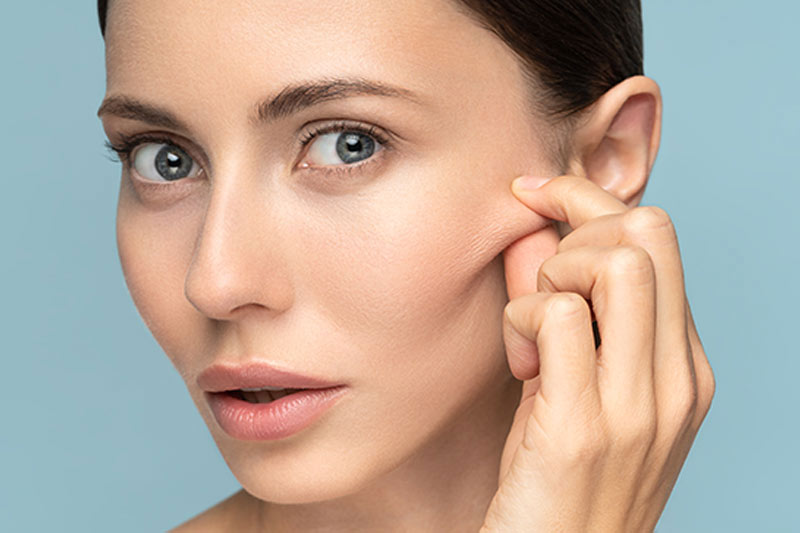
Environmental Stressors Affecting Skin Elasticity

Skin elasticity plays a central role in maintaining a firm, smooth, and youthful appearance. It allows the skin to stretch and return to its original shape after movement or facial expression. Over time, however, environmental stressors gradually weaken this ability. These external influences accelerate structural changes within the skin, affecting collagen production, hydration levels, and cellular renewal.
Understanding how environmental conditions affect skin elasticity helps individuals make better decisions about skincare routines, protective habits, and lifestyle adjustments that support long-term skin health.
Understanding Skin Elasticity and Its Biological Structure
Skin elasticity depends primarily on two structural proteins: collagen and elastin. Collagen provides strength and structure, while elastin allows the skin to stretch and return to its original form.
These proteins exist within the dermis, the deeper layer of the skin responsible for maintaining firmness and flexibility. When collagen and elastin fibers remain strong and well-organized, skin appears resilient and smooth. When they weaken, skin becomes thinner, looser, and more prone to wrinkles.
Environmental stressors accelerate this breakdown process by increasing oxidative stress and interfering with normal cellular repair mechanisms.
Ultraviolet Radiation and Its Impact on Skin Structure
Sun exposure is one of the most significant environmental contributors to reduced skin elasticity. Ultraviolet radiation penetrates the skin and damages collagen fibers over time.
Long-term exposure leads to a process known as photoaging, which causes visible structural changes in the skin.
Effects of ultraviolet exposure include:
- Breakdown of collagen networks
- Reduced elastin function
- Increased wrinkle formation
- Uneven skin texture
- Loss of firmness
Ultraviolet radiation also stimulates enzymes that degrade connective tissue, making the skin less capable of maintaining its natural structure.
Consistent protection from sunlight plays a critical role in preserving elasticity throughout life.
Air Pollution and Oxidative Stress on Skin Cells
Air pollution contains microscopic particles that interact directly with the skin’s surface. These particles generate oxidative stress, which damages proteins responsible for elasticity.
Pollutants such as vehicle emissions and industrial particles contribute to premature aging by weakening the skin barrier.
Common pollution-related effects include:
- Reduced collagen production
- Increased inflammation
- Dull skin tone
- Accelerated wrinkle development
- Disruption of normal repair processes
Oxidative stress caused by pollution increases the number of free radicals in the skin. These unstable molecules attack structural proteins and reduce the skin’s ability to maintain elasticity.
Protective skincare routines that support antioxidant defense can help reduce the impact of environmental pollutants.
Temperature Extremes and Their Influence on Elasticity
Both hot and cold environments affect skin hydration levels and structural integrity. When skin loses moisture, elasticity declines quickly.
Cold weather often leads to dryness because low humidity reduces moisture retention in the skin. Similarly, high temperatures increase perspiration and water loss.
Temperature-related stress can result in:
- Reduced skin flexibility
- Increased roughness
- Tightness and irritation
- Micro-cracking of the outer skin layer
- Slower barrier repair
Maintaining consistent hydration and protecting the skin from extreme climates helps preserve elasticity over time.
Low Humidity and Chronic Skin Dehydration
Humidity levels strongly influence how well the skin retains moisture. Dry air environments draw water away from the skin’s surface, weakening its natural barrier.
When moisture levels decline, elastin fibers become less flexible and collagen structure weakens.
Signs of humidity-related elasticity loss include:
- Fine lines appearing earlier
- Increased skin sensitivity
- Flaking and rough texture
- Reduced skin resilience
Indoor heating systems during colder months can worsen these effects by lowering ambient moisture levels.
Supporting hydration through proper skincare and environmental adjustments helps maintain skin flexibility.
Blue Light Exposure from Digital Devices
Blue light exposure has become a growing concern as digital device usage increases worldwide. Research suggests that prolonged exposure to artificial blue light may contribute to oxidative stress in the skin.
Although the effects are less intense than ultraviolet radiation, long-term exposure can still influence skin structure.
Potential impacts include:
- Increased pigment irregularities
- Reduced collagen stability
- Elevated oxidative stress levels
- Early signs of fatigue-related skin changes
Limiting unnecessary exposure and supporting antioxidant protection may help reduce these effects.
Environmental Toxins and Skin Barrier Disruption
Chemical pollutants present in the environment can weaken the skin’s natural protective barrier. When this barrier becomes compromised, moisture escapes more easily and irritants penetrate deeper layers.
Barrier disruption contributes to:
- Loss of elasticity
- Increased dryness
- Greater sensitivity
- Slower tissue repair
- Higher inflammation levels
Maintaining a healthy barrier allows the skin to better resist environmental stressors that accelerate aging.
Wind Exposure and Mechanical Skin Stress
Strong wind exposure removes moisture from the skin’s surface and increases evaporation rates. Over time, repeated exposure can reduce elasticity by weakening hydration levels.
Wind-related effects include:
- Surface dehydration
- Increased irritation
- Reduced smoothness
- Compromised barrier strength
Protective clothing and moisturizing routines help reduce mechanical stress caused by wind conditions.
Urban Living and Its Cumulative Effects on Skin Elasticity
Urban environments combine multiple environmental stressors that act together to accelerate structural skin changes. Pollution, artificial lighting, temperature variation, and reduced natural humidity all contribute to long-term elasticity decline.
Individuals living in densely populated areas often experience higher exposure to airborne particles and environmental toxins.
Combined exposure may lead to:
- Faster collagen breakdown
- Increased oxidative stress
- Reduced regenerative capacity
- Earlier visible aging signs
Adopting protective strategies becomes especially important in urban settings where exposure levels remain consistently high.
Smoking and Environmental Chemical Exposure
Although smoking is often considered a lifestyle factor, it also represents an environmental exposure affecting surrounding skin tissue.
Tobacco smoke contains compounds that reduce oxygen delivery to skin cells and weaken collagen fibers.
Effects associated with smoke exposure include:
- Reduced skin firmness
- Slower healing
- Increased wrinkle depth
- Diminished circulation
- Loss of natural glow
Avoiding smoke exposure helps preserve elasticity and supports healthier skin structure over time.
Climate Change and Long-Term Skin Health Implications
Changing environmental conditions influence skin health in subtle but meaningful ways. Increased ultraviolet intensity, fluctuating humidity levels, and rising pollution exposure contribute to long-term elasticity challenges.
These environmental shifts affect:
- Hydration balance
- antioxidant defense capacity
- structural protein stability
- inflammatory responses
Adapting skincare strategies to changing environmental conditions supports continued protection against elasticity loss.
Nutritional Factors Influenced by the Environment
Environmental stressors do not act only on the surface of the skin. They also affect internal processes that support collagen production.
Exposure to pollution and toxins increases the body’s need for antioxidant nutrients. Without adequate nutritional support, the skin becomes more vulnerable to structural breakdown.
Nutrients that support elasticity include:
- Vitamin C for collagen formation
- Vitamin E for antioxidant protection
- Omega fatty acids for barrier strength
- Zinc for tissue repair support
Balanced nutrition strengthens the skin’s resilience against environmental damage.
Hydration and Its Protective Role Against Environmental Stress
Water plays a central role in maintaining skin flexibility and structural integrity. Environmental exposure increases water loss through evaporation and barrier disruption.
Adequate hydration supports:
- Elastic fiber flexibility
- cellular repair activity
- nutrient delivery to skin layers
- barrier reinforcement
Consistent hydration helps offset the drying effects of environmental stressors.
Preventive Strategies to Protect Skin Elasticity
Reducing environmental damage requires a combination of protective habits and supportive skincare practices.
Effective strategies include:
- Limiting direct sun exposure
- Maintaining consistent hydration
- Supporting antioxidant intake
- Using protective clothing outdoors
- Strengthening the skin barrier with moisturizers
- Reducing exposure to polluted environments when possible
Small daily habits can significantly influence long-term skin resilience.
Frequently Asked Questions
1. Does indoor air quality affect skin elasticity
Yes. Indoor pollutants, dust, and dry air from heating or cooling systems can weaken the skin barrier and contribute to moisture loss that reduces elasticity over time.
2. Can frequent travel affect skin firmness
Frequent travel exposes the skin to changing climates, cabin air dryness, and environmental pollutants that may temporarily reduce hydration and elasticity.
3. Do seasonal changes influence collagen stability
Seasonal variations in temperature, humidity, and sunlight exposure can affect collagen maintenance and influence how firm the skin appears throughout the year.
4. Can water hardness impact skin elasticity
Hard water contains minerals that may interfere with cleansing effectiveness and contribute to dryness that gradually affects skin flexibility.
5. Does altitude influence skin structure
Higher altitudes expose skin to stronger ultraviolet radiation and lower humidity levels, both of which can accelerate elasticity decline if protection is limited.
6. Are people with sensitive skin more vulnerable to environmental stressors
Yes. Sensitive skin often has a weaker protective barrier, making it more susceptible to pollution, temperature shifts, and moisture loss that affect elasticity.
7. Can nighttime environmental exposure affect skin recovery
Yes. Poor indoor air conditions, inadequate humidity levels, and exposure to artificial light during sleep hours can influence overnight skin repair and elasticity maintenance.