



Gentle Yoga for Nervous System Reset

Modern life keeps many people in a constant state of alertness. Tight schedules, digital overload, and emotional stress can leave the body stuck in a prolonged fight-or-flight response. Over time, this state strains both mental clarity and physical well-being. Gentle yoga offers a practical and accessible way to help the nervous system shift back into balance.
Unlike fast-paced fitness routines, gentle yoga emphasizes slow movement, intentional breathing, and supportive postures. These elements work together to calm the body, regulate stress hormones, and promote a deep sense of safety and restoration. When practiced consistently, gentle yoga can help reset the nervous system and support long-term resilience.
Understanding the Nervous System and Stress
The nervous system operates through two primary branches that influence how the body responds to daily experiences:
1. Sympathetic Nervous System
This system activates the body during stress. It increases heart rate, sharpens attention, and prepares muscles for action.
2. Parasympathetic Nervous System
Often called the “rest-and-digest” system, it slows the heart rate, supports digestion, and encourages recovery.
Chronic stress keeps the sympathetic system active longer than necessary. Over time, this imbalance can contribute to:
- Fatigue
- Anxiety
- Sleep difficulties
- Muscle tension
- Digestive discomfort
- Reduced concentration
Gentle yoga encourages activation of the parasympathetic response through slow breathing and supportive movement patterns.
Why Gentle Yoga Supports Nervous System Reset
Gentle yoga works differently from intense exercise. Instead of stimulating adrenaline production, it promotes relaxation signals throughout the body.
Key mechanisms include:
Slow breathing patterns
These regulate heart rhythm and reduce stress hormone levels.
Mindful movement
Controlled transitions help shift attention away from worry loops.
Supported postures
Using cushions or props reduces physical strain and enhances comfort.
Body awareness
This improves communication between the brain and muscles.
Together, these factors create an environment where the nervous system can safely return to equilibrium.
Signs Your Nervous System May Need Resetting
Many people live with subtle signs of nervous system overload without recognizing them. Gentle yoga may help if you notice:
- Persistent mental fatigue
- Trouble falling asleep
- Frequent muscle tightness
- Increased irritability
- Brain fog
- Shallow breathing
- Difficulty relaxing even during downtime
These symptoms often signal that the body is spending too much time in a stress-reactive state.
How Gentle Yoga Activates the Relaxation Response
Gentle yoga influences several physiological systems simultaneously. This combined effect makes it especially effective for nervous system recovery.
Breath Regulation
Slow breathing stimulates the vagus nerve, a major pathway that helps regulate emotional stability and heart rate variability. Deep diaphragmatic breathing tells the brain that the environment is safe.
Muscle Release
Slow stretching encourages muscles to relax gradually. This reduces the body’s protective tension patterns created during stress.
Improved Circulation
Gentle movement enhances blood flow without increasing cortisol levels, supporting tissue repair and mental clarity.
Sensory Awareness
Focusing attention on movement and breath reduces mental noise and supports emotional regulation.
Best Gentle Yoga Poses for Nervous System Reset
These poses are widely recognized for their calming effects and accessibility.
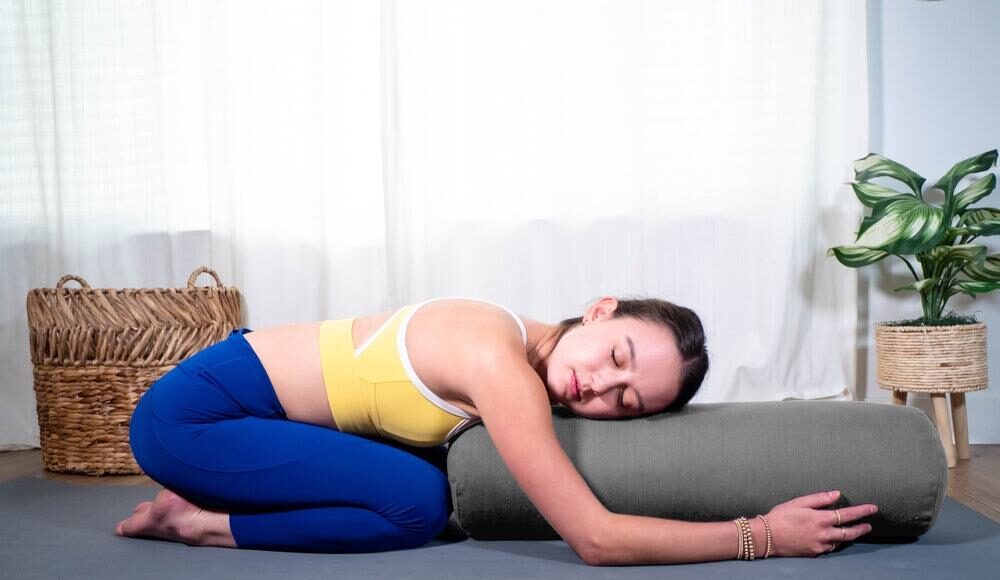
Supported Child’s Pose
This posture encourages deep relaxation of the back and shoulders while promoting steady breathing.
Benefits include:
- Reduced tension in the spine
- Slower breathing rhythm
- Mental grounding
Place a pillow or folded blanket under the chest for added support.
Legs Up the Wall
This restorative posture helps regulate circulation and relax the lower body.
Benefits include:
- Reduced swelling in the legs
- Improved blood return to the heart
- Lower stress response activation
Remain in this pose for five to ten minutes.
Cat-Cow Stretch
Gentle spinal movement coordinates breath with motion.
Benefits include:
- Increased spinal mobility
- Reduced neck tension
- Improved breathing awareness
Move slowly between positions while inhaling and exhaling naturally.
Supine Twist
Twisting movements support digestion and release back tension.
Benefits include:
- Relaxed spinal muscles
- Improved circulation
- Emotional release support
Keep both shoulders grounded to maintain comfort.
Reclined Bound Angle Pose
This pose encourages openness across the chest and hips.
Benefits include:
- Deep relaxation response
- Improved breathing capacity
- Reduced pelvic tension
Use pillows under the knees for comfort.
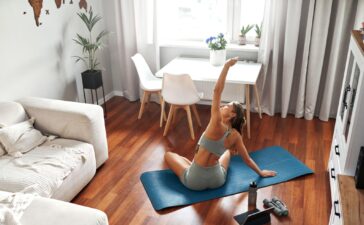
Creating a Gentle Yoga Routine at Home
Consistency matters more than intensity. A simple routine practiced regularly produces noticeable nervous system benefits.
Try this 15-minute structure:
Step 1: Begin with breathing (3 minutes)
Sit comfortably and inhale slowly through the nose. Exhale longer than you inhale.
Step 2: Add slow spinal movement (4 minutes)
Practice Cat-Cow or gentle seated stretches.
Step 3: Transition into supported poses (6 minutes)
Choose one or two restorative postures.
Step 4: Finish with relaxation (2 minutes)
Lie comfortably and observe your breathing.
This sequence encourages gradual nervous system regulation without physical strain.
The Role of Breath in Nervous System Recovery
Breathing patterns strongly influence emotional state. Gentle yoga integrates breathing techniques that signal safety to the brain.
Helpful breathing practices include:
Extended exhale breathing
Longer exhalations activate calming pathways.
Diaphragmatic breathing
Breathing into the lower ribs improves oxygen efficiency.
Rhythmic breathing
Consistent inhale-exhale timing stabilizes heart rate patterns.
Practicing these techniques daily enhances their effectiveness over time.
When to Practice Gentle Yoga for Maximum Benefit
Timing can influence how strongly gentle yoga supports nervous system recovery.
Ideal practice times include:
Morning
Supports calm focus before daily demands begin.
Afternoon
Helps reset energy after work-related stress.
Evening
Encourages sleep readiness and muscle relaxation.
Even five to ten minutes can create measurable improvements in calmness.
How Gentle Yoga Improves Sleep Quality
Sleep disruption often reflects nervous system imbalance. Gentle yoga prepares the body for rest by lowering physical and mental activation.
Key benefits include:
- Reduced nighttime muscle tension
- Slower heart rate before bedtime
- Improved breathing rhythm
- Decreased racing thoughts
Practicing restorative poses in dim lighting strengthens these effects.
Supporting Emotional Stability Through Gentle Yoga
The nervous system influences emotional processing. When stress responses remain elevated, emotional regulation becomes more difficult.
Gentle yoga helps by:
- Increasing body awareness
- Supporting present-moment attention
- Reducing anxiety signals
- Encouraging emotional release
Over time, this improves resilience during challenging situations.
Common Mistakes to Avoid During Gentle Yoga Practice
To receive full nervous system benefits, avoid treating gentle yoga like a workout session.
Common mistakes include:
Moving too quickly
Slow movement allows the brain to register safety.
Holding the breath
Steady breathing is essential for relaxation response activation.
Skipping support props
Pillows and blankets improve comfort and effectiveness.
Practicing inconsistently
Regular short sessions work better than occasional long ones.
Adjusting these habits strengthens results.
Long-Term Benefits of Gentle Yoga for Nervous System Health
Gentle yoga supports lasting improvements beyond immediate relaxation.
With consistent practice, many people experience:
- Improved stress tolerance
- Better sleep consistency
- Reduced muscle tightness
- Enhanced focus
- Greater emotional balance
- More stable energy levels
These changes reflect healthier nervous system adaptability.
FAQ: Gentle Yoga for Nervous System Reset
1. How long does it take for gentle yoga to calm the nervous system?
Many people notice relaxation within one session, but consistent practice over two to four weeks usually produces more stable improvements.
2. Is gentle yoga suitable for beginners with no flexibility?
Yes. Gentle yoga emphasizes comfort rather than range of motion, making it appropriate for beginners at any fitness level.
3. Can gentle yoga help reduce anxiety symptoms?
Regular practice supports slower breathing, muscle relaxation, and improved emotional regulation, which may reduce anxiety intensity over time.
4. Do I need special equipment for gentle yoga at home?
A comfortable mat and household items like pillows or folded blankets are usually enough to support most restorative poses.
5. Is gentle yoga safe during periods of high stress or burnout?
Yes. In fact, gentle yoga is especially helpful during these times because it encourages recovery without increasing physical strain.
6. How often should gentle yoga be practiced for nervous system balance?
Practicing three to five times per week provides consistent benefits, though even short daily sessions can be effective.
7. Can gentle yoga improve focus and concentration?
Yes. By calming the stress response and improving breathing patterns, gentle yoga supports clearer thinking and sustained attention.